About Torsion Testing Machine
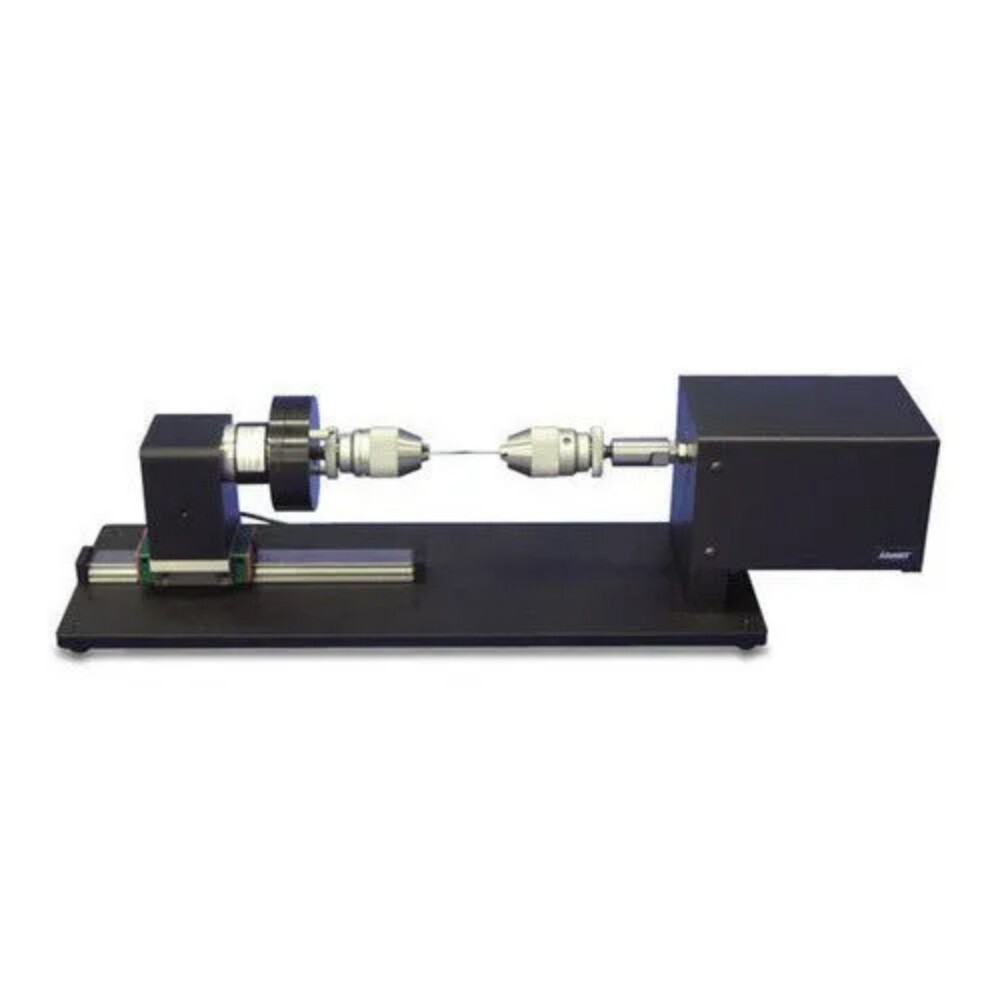
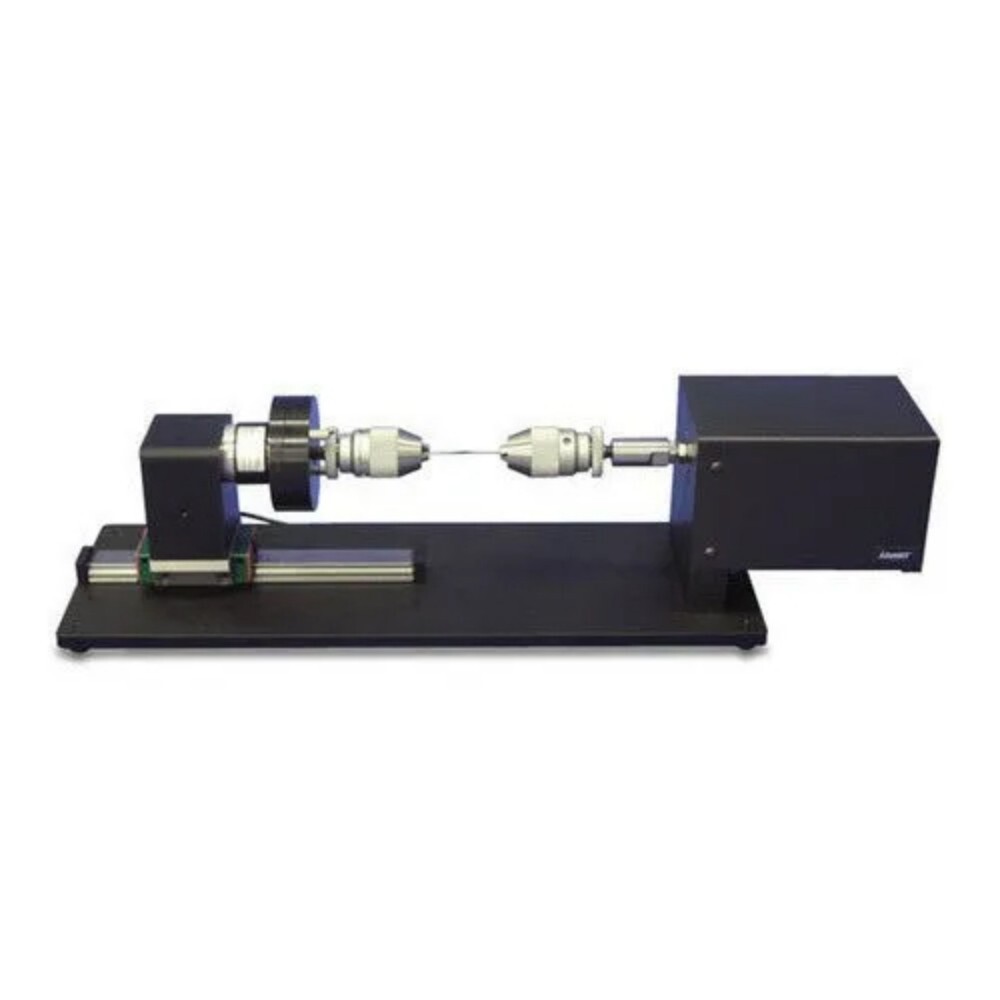
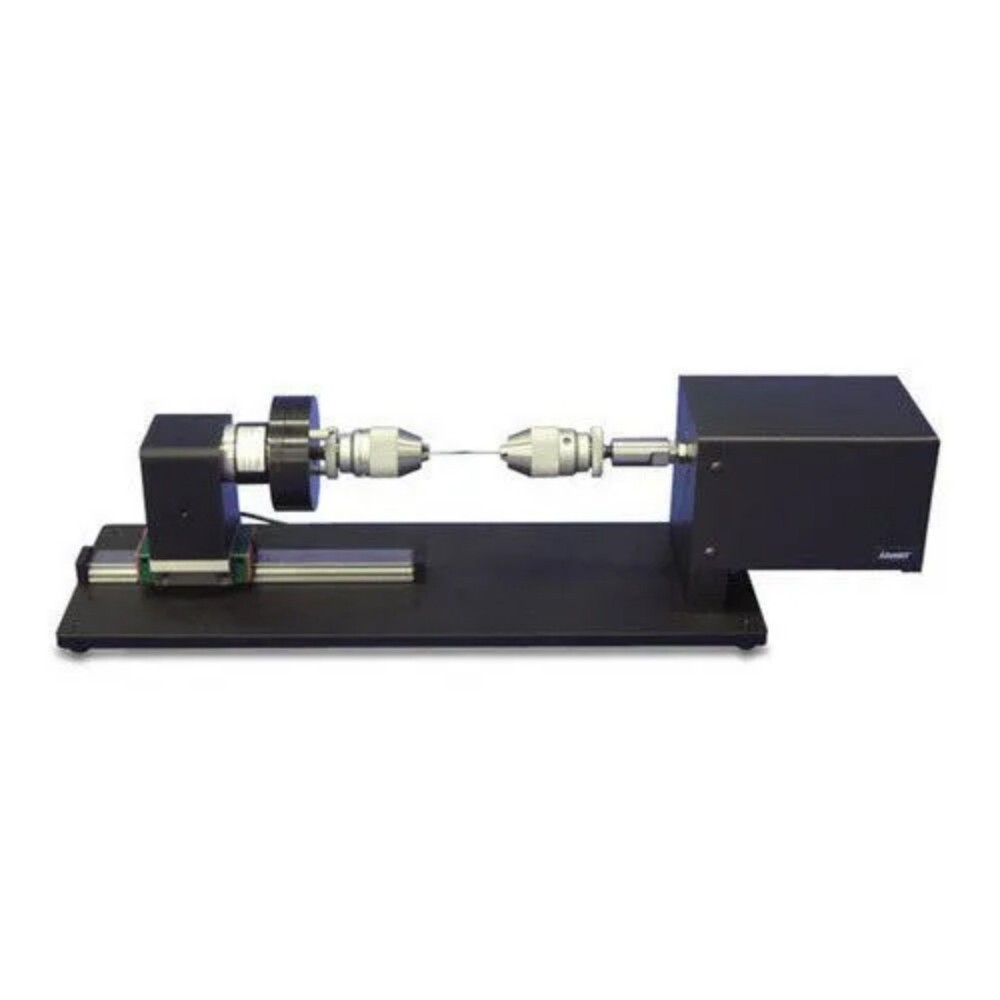
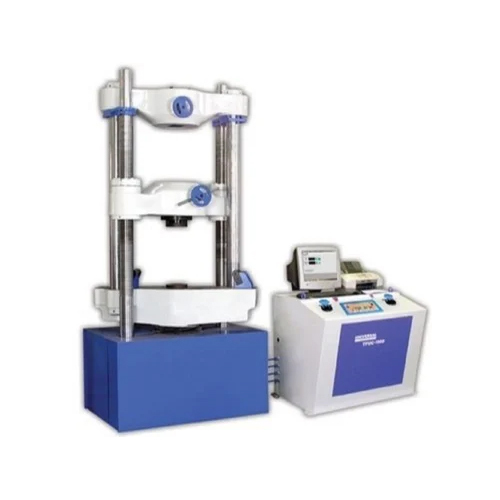
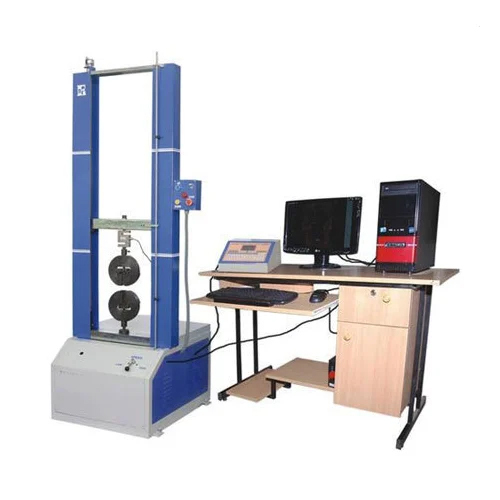
We are successfully engaged in providing a broad variety of Torsion Testing Machine to our clients. It is to determine the ultimate tensile strength. Therefore, provided machine is to measure the torsional strength and stress-strain properties of materials. The machine is recommended as a standard approach to determine the shear modulus of structural-size timber. Torsion Testing Machine is a useful test for acquiring information like torsional shear stress and breaking angle of a material or the interface between two materials. It is to receive a turning force from its power source.
Precision Torque MeasurementAchieve highly accurate torsional assessments with our direct analog dial or digital torque sensor, offering a resolution as fine as 0.01 Nm and a 1% accuracy. This enables reliable testing for product development and quality validation across multiple industries.
Safety and Durability in Every TestSafety is prioritized through integral overload protection and an emergency stop switch. Constructed with robust stainless steel and finished with corrosion-resistant powder coating, the machine is engineered for long-term, demanding industrial use.
Versatile Applications and Easy OperationDesigned for material testing laboratories and industrial quality control, the machine supports manual and semi-automatic control modes. Its self-centering chuck accommodates circular or square specimens up to 12 mm, pushing versatility in specimen shape and size.
FAQ's of Torsion Testing Machine:
Q: How does the torsion testing machine measure torque?
A: The machine uses either a direct analog dial or a digital torque sensor to measure applied torque with high accuracy, offering resolution up to 0.01 Nm and capturing instantaneous response during the test.
Q: What materials and specimen sizes are suitable for testing?
A: It is designed for both metal and nonmetal specimens with circular or square cross-sections, up to 12 mm in diameter or side. The machine is suitable for materials with hardness up to 60 HRC.
Q: When should the machine be calibrated, and is it IS 1717 compliant?
A: The machine should be calibrated periodically according to your quality assurance schedule to preserve accuracy. It is IS 1717 (part-1) compliant, ensuring reliable calibration standards.
Q: Where can this torsion testing machine be used?
A: Primarily intended for industrial laboratories and quality control departments, the machine is suitable for research, product development, and routine testing in manufacturing environments.
Q: What is the process for conducting a torsion test on this machine?
A: Mount a single specimen in the self-centering chuck, select the control mode (manual or semi-automatic), set rotational direction, initiate the test, and monitor torque readings. Upon specimen failure, the machine's features help ensure safe completion and data recording.
Q: How do users benefit from the safety features of the machine?
A: Operators enjoy enhanced safety through built-in overload protection and an emergency stop switch, minimizing risks during testing operations, especially when handling high-strength materials.
Q: Is data output available for test results?
A: Yes, digital models offer optional USB connectivity for easy data output, enabling seamless integration with laboratory information systems or result documentation workflows.


 Send Inquiry





 Send Inquiry
 Send Inquiry
 Send SMS

